Skip to content
Logo
×
Find a Distributor Request a Quote
  • Products
    • Pressure Regulators
    • Back Pressure Regulators
    • Filter Regulators
    • Gas Regulators
    • Precision Pressure Regulators
    • Pressure Regulators
    • Stainless Steel Pressure Regulators
    • Potable Water Pressure Regulators
    • Brackets, Gauges, & Accessories
    • Electronic Pressure Regulators
    • Pressure Transducers
    • I/P Transducers (current-to-pressure)
    • E/P Transducers (voltage-to-pressure)
    • P/I Transducers (pressure-to-current)
    • I/PAC Integrated Process Air Control
    • Supply Manifold
    • Brackets, Gauges, & Accessories
    • Diaphragm Air Cylinders
    • Rolling Diaphragm Cylinder
    • Small Bore Compact Cylinder
    • Mini Might Cylinders
    • Pneumatic Air Filters
    • Air Relays
    • Vacuum Regulators
    • Valve Positioners
    • Volume Boosters
    • Stainless Steel Volume Boosters
    • View All Products
  • Custom Solutions
  • Industries
    • Food and Beverage Processing Markets
    • Control Valve Products
    • Oil & Gas Markets
    • Waste Water Processing and Treatment
    • View All Industries
  • Engineers
  • Resources
    • Blog
    • CAD Models & Product Specifier
    • Certifications
    • Catalogs
    • FAQ
    • How to Determine the Appropriate Regulator
    • Instruction Manuals
    • Product Selection Guides
    • White Papers
    • Visual Product Reference Guides
    • Videos
  • Contact
    • Request a Quote
    • Ask an Expert
    • Contact
    • Request Help From Our Sales Team
  • About
    • About Us
    • News
    • Who We Help
    • Career Opportunities
  • Find a Distributor
  • Request a Quote
(603) 886-9400 | Distributor Login

Choosing the Right Regulators and Connectors for Your Gas System: A Comprehensive Guide

Choosing the Right Regulators and Connectors for Your Gas System: A Comprehensive Guide

When installing or reconfiguring a gas system, selecting appropriate regulators, connectors, and pressure transducers is crucial for optimal performance, safety, and efficiency. Whether designing a new production system, repairing a fuel train, or upgrading an existing setup, engineers must consider factors like pressure control requirements, environmental conditions, and the specific gas media in use. Understanding the significance of precision regulation, connection integrity, and accurate pressure measurement is essential for maintaining system reliability and compliance with industry standards.
The Importance of Proper Gas Regulation and Pressure Measurement

Gas regulators play a vital role in maintaining consistent pressure levels while compensating for variations in upstream supply and downstream demand. A well-chosen regulator prevents system failures, optimizes performance, and ensures compliance with safety standards. Pressure transducers complement regulators by converting pressure changes into electrical signals, enabling real-time monitoring and automated adjustments. This combination enhances system accuracy and efficiency, particularly in industrial automation and process control applications.

The Role of Pressure-Reducing Regulators for Gas Systems

Pressure-reducing regulators are the most commonly used regulators in gas systems. Their primary function is to lower a higher, often variable inlet pressure to a stable, controlled outlet pressure that is safe for downstream equipment. This ensures consistent operation even when supply pressure fluctuates due to tank depletion, upstream surges, or system demand changes.

How They Work

These regulators use a spring-loaded diaphragm mechanism that balances outlet pressure against an adjustable setpoint. When downstream demand increases and pressure drops, the regulator automatically opens to allow more gas flow. Conversely, when demand decreases, the regulator closes to prevent over-pressurization. This self-adjusting behavior is crucial for maintaining stable conditions in sensitive or precision-driven processes.

Key Applications

  • Manufacturing processes: Ensuring equipment receives steady pressure for consistent product quality.
  • Analytical and laboratory systems: Protecting delicate instruments from pressure spikes that could skew results or cause damage.
  • Combustion control: Delivering consistent fuel pressure to burners for efficient and safe operation.
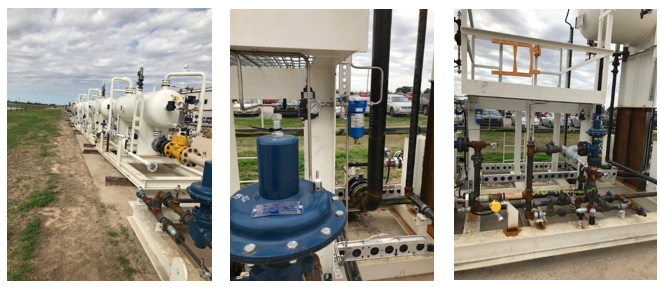
  • Oil & gas operations: Reducing wellhead or pipeline pressures to safe, usable levels in processing facilities.

Engineering Considerations

When selecting a pressure-reducing regulator, engineers should evaluate:

  • Flow capacity: Can the regulator handle peak demand without pressure droop?
  • Material compatibility: Stainless steel for corrosive gases or harsh environments, brass or aluminum for general use.
  • Response time: How quickly the regulator reacts to demand changes.
  • Environmental ratings: NACE-compliant models (like the ControlAir Type 310) are essential in corrosive oilfield applications.

ControlAir Solutions

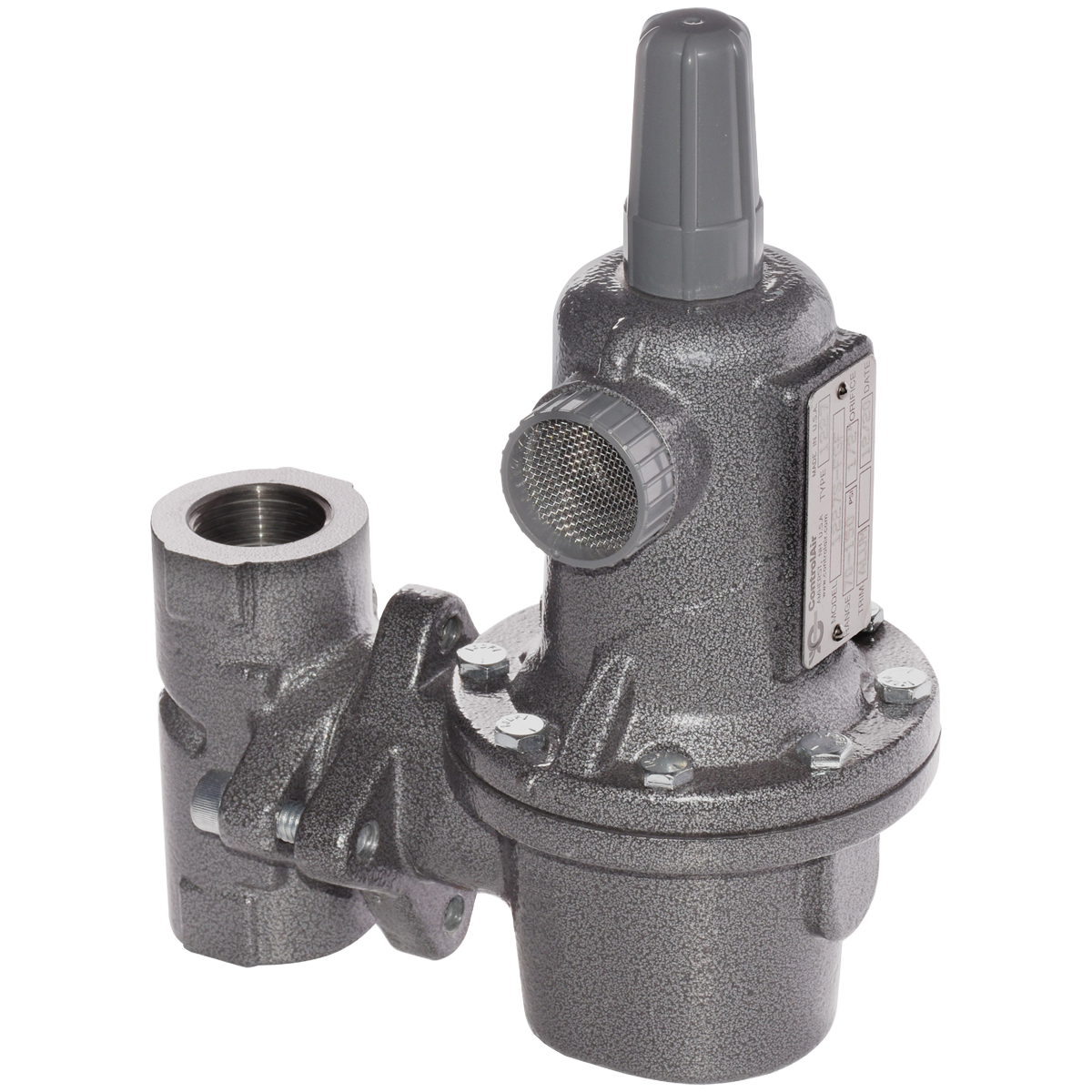
  • Type 1227 High Flow Gas Pressure Regulator – Ideal for applications requiring large flow capacity while maintaining precise pressure control.
  • Type CG330/CG340 Gas Regulator Series – Designed for low-emission applications, balancing accuracy with environmental compliance.
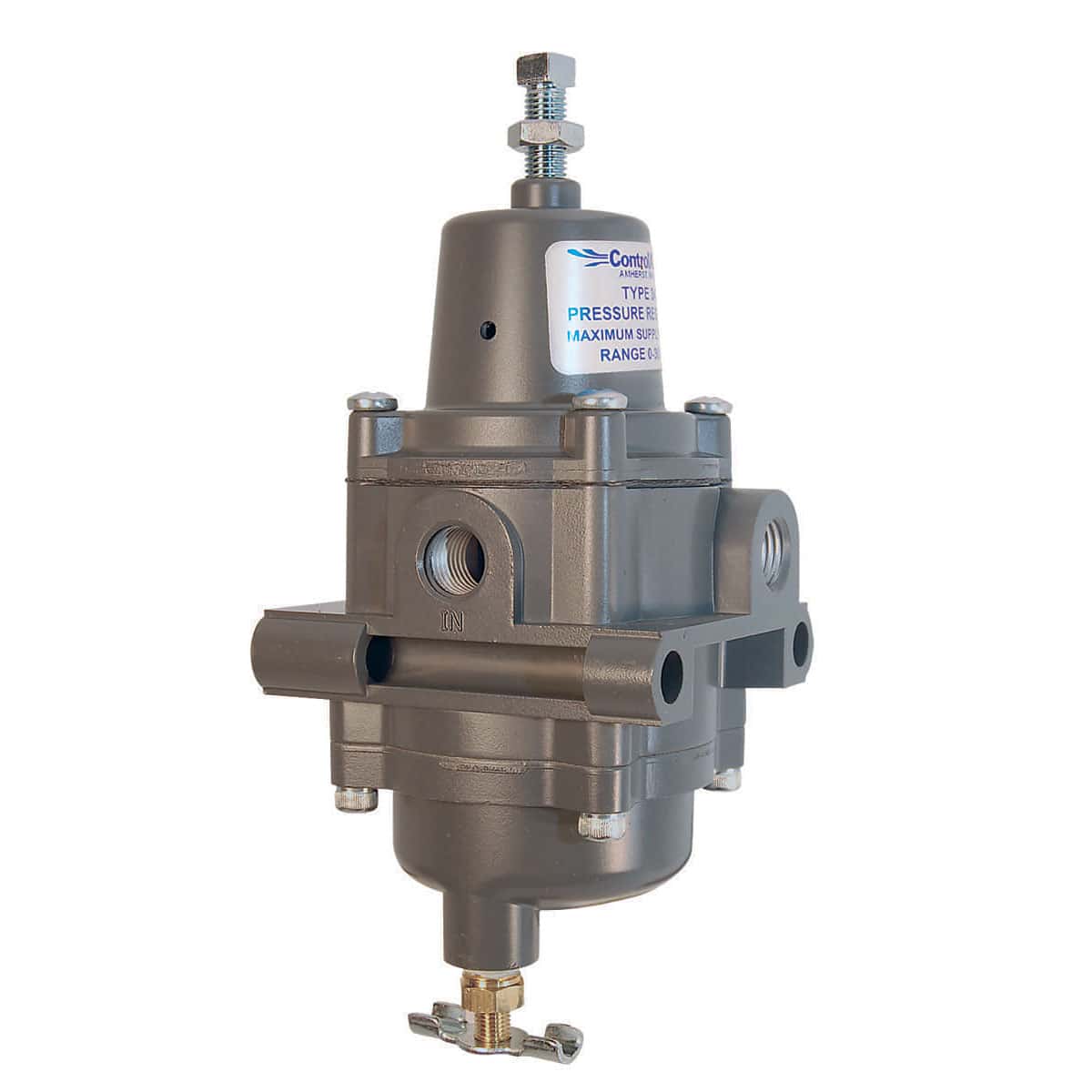
  • Type 330 Air Filter Regulator – Combines regulation with filtration, protecting downstream systems from contaminants.
  • Type 310 NACE Regulator – Built to NACE standards for corrosive environments, ensuring safety and durability in oil & gas operations.

By using the right pressure-reducing regulator, engineers can maximize system reliability, protect sensitive equipment, and meet compliance standards while keeping long-term operating costs low.

The Role of Pressure Transducers in Gas Systems

Pressure transducers are critical components for monitoring, controlling, and automating gas systems. While regulators physically adjust and stabilize pressure, transducers provide the real-time feedback loop that allows engineers and automated systems to maintain precise control under varying conditions.

How They Work

A pressure transducer converts mechanical pressure into an electrical signal, usually in the form of a voltage or current output. This enables integration with process control systems, PLCs (programmable logic controllers), and data acquisition systems. By providing accurate, continuous readings of system pressure, transducers allow:

  • Automated regulation – Controllers can make adjustments to regulators and valves based on live pressure readings.
  • Early warning detection – Pressure anomalies are detected immediately, preventing costly failures or unsafe conditions.
  • Performance optimization – Real-time feedback ensures gas flow remains within efficiency and safety thresholds.

Key Applications

  • Industrial automation – Maintaining precise gas pressures in production lines, chemical processing, and packaging systems.
  • Combustion control – Monitoring fuel pressures to ensure optimal burner performance and energy efficiency.
  • Analytical systems – Providing stable pressure monitoring for laboratories, calibration setups, and sensitive instrumentation.
  • Hazardous environments – Explosion-proof models are essential in oil, gas, and chemical industries where sparks or pressure spikes could cause accidents.

Engineering Considerations

When selecting a pressure transducer, engineers should evaluate:

  • Pressure range – Ensuring the transducer can measure the full operating range without losing accuracy.
  • Output signal type – Common formats include 4–20 mA, 0–5 V, or digital signals depending on system requirements.
  • Environmental protection – Explosion-proof housings, corrosion-resistant materials, and temperature tolerance are vital in harsh or hazardous environments.
  • Accuracy and stability – Higher precision is essential in analytical and calibration applications, while ruggedness may be prioritized in heavy industry.

ControlAir Solutions

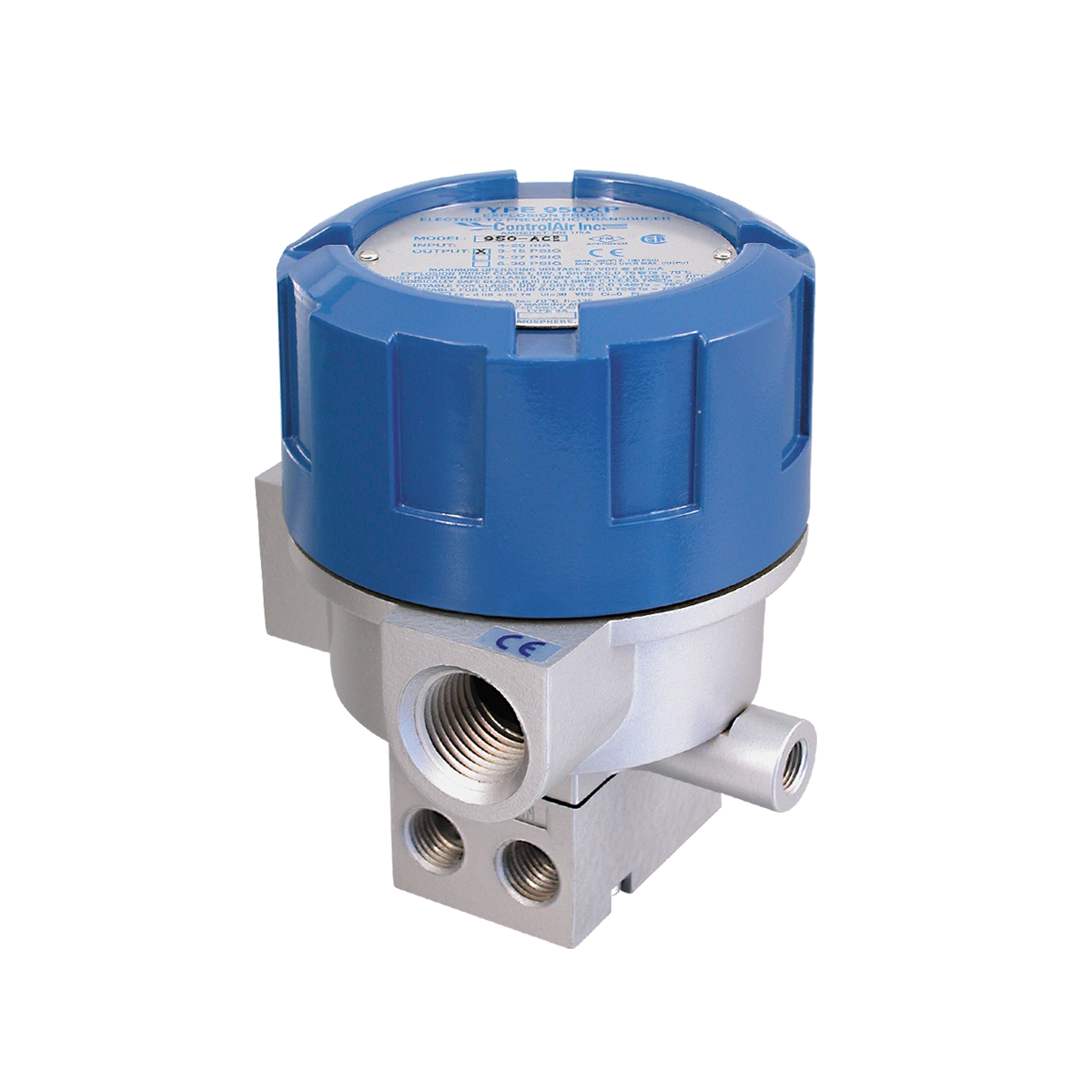
  • Type 950XP Explosion-Proof I/P Transducer
    • Converts electrical signals into precise pneumatic pressure for demanding environments.
    • Designed to meet explosion-proof safety standards, making it ideal for hazardous industries.
    • Works seamlessly with pressure-reducing and back pressure regulators to create closed-loop control systems.
    • Provides stable, accurate signal conversion for reliable automation and compliance with safety codes.

By integrating pressure transducers with regulators, engineers can create smart, responsive gas systems that not only stabilize pressure but also adapt in real time to changes in demand and environment. This combination ensures maximum safety, efficiency, and compliance in industries where precision is critical.

Selecting the Right Connectors and Fittings

In addition to regulators and pressure transducers, reliable connectors and fittings are critical to maintaining a leak-free, secure gas system. Engineers must ensure that the connectors are compatible with the materials used in the system, capable of handling the required pressures, and durable enough to withstand environmental factors like temperature fluctuations and exposure to corrosive substances.

  • Material Considerations: Stainless steel connectors are highly resistant to corrosion, making them suitable for harsh environments, while brass fittings are commonly used in non-corrosive gas applications.
  • Thread Type and Sealing: Ensuring proper thread engagement and the use of sealing mechanisms, such as PTFE tape or O-ring seals, helps prevent leaks and maintains joint integrity under pressure.
  • Compliance with Standards: All components should meet relevant industry standards such as ANSI, ASME, and ISO to guarantee system reliability, performance, and safety.

Engineering for Efficiency and Compliance

Selecting the right regulators, pressure transducers, and connectors isn’t just about ensuring operational efficiency—it’s also about meeting long-term reliability and regulatory compliance. For industrial applications such as gas distribution, combustion control, and inert gas handling, components must minimize fugitive emissions while providing stable performance.

ControlAir’s product line is designed with low-emission compliance in mind, helping engineers meet operational goals while adhering to stringent environmental standards. For instance, the Type CG330/CG340 Series is specifically built for low-emission applications, offering precise control while minimizing atmospheric leakage. The integration of pressure transducers like the Type 950XP enhances system responsiveness and ensures pressure stability in critical environments.

Final Considerations

When designing, installing, or upgrading a gas system, it’s essential to evaluate your pressure control needs, the environmental conditions, and any relevant compliance requirements. The right choice of regulators, pressure transducers, and connectors will not only help maintain system efficiency but will also ensure safe, leak-free operation over the long term.

By selecting high-quality components from ControlAir, you can enhance system performance, reduce maintenance costs, and comply with industry regulations. Whether you are working with gas distribution systems, combustion control, or specialized analytical applications, ControlAir offers solutions that optimize safety, efficiency, and reliability.

For assistance in selecting the ideal components for your application, explore ControlAir’s full range of precision gas regulators, and pressure transducers, connectors, and fittings. Our team is here to help you find the best solutions for your engineering challenges and to ensure that your gas system operates seamlessly.

Post navigation

 Back Pressure Regulator vs. Pressure Regulator: What’s the Difference and When to Use EachBasic Vacuum Application Concerns: Small Issues that Create Big Problems 

Ask an Expert

Contact our technical experts for help with your pneumatic application or ControlAir Product.

Question

First Name*

Last Name*

Email*

Company*

Country*

State/Province*

City*

How did you hear about us*

Click here if you want to be on our mailing list

I accept the terms of our Data Privacy Policy.

Data Privacy Policy

ControlAir’s purpose to collect any personal data is to respond to your request for product help, quotation and processing of orders. We take your privacy seriously. Here are some relevant questions and answers regarding our collection and use of personal data.

What information is being collected?

ControlAir will collect names, email addresses, phone numbers and local addresses so we may fulfill your request for product help, quotes or order shipment.

Who is collecting it?

ControlAir has a sales and marketing department that oversees the collection and use of this data. We do use a Customer Relationship Management system to process this information.

How is it collected?

Data is collected using our Webforms (Get a Quote, Ask the Expert, White Paper Sign Up, etc), via phone calls, incoming emails and during any email campaigns that are sent to you for marketing purposes.

Why is it being collected?

This information is being collected for the purpose to respond to your request and for later follow up to ensure that we provided you with a good customer experience. This information may be used to contact you in the future regarding ControlAir products.

How will it be used?

This information will be entered into a CRM database, so we can contact you via email, phone or mail to fulfill your request and follow up with appropriate product information.

Who will it be shared with?

Your information will not be sold to a third party. Your information maybe shared with one of our local partners (distributors and/or local field agent) so we can fulfill your request for product information and quotation.

What will be the effect of this on the individuals concerned?

The purpose of transferring this information to these individuals/companies will be to fulfill your request for product information and quotation. You may receive emails to alert you of order, quote or shipment status. You may also receive follow up emails to gauge your customer experience and alert you to product information.

Is the intended use likely to cause individuals to object or complain?

We do not expect individuals to object with the use of this data to fulfill an action that they requested of ControlAir. We will remove persons from any future emails if they choose to opt out of future emails.

Please let us know if you have any further questions regarding the processing and use of your information. We can be reached at 1-603-886-9400 or by email at [email protected]

Lead Source

Enter the Captcha*

captcha Reload
Call (800) 216-3636

Related Products

  • Type 1227 High Flow Gas Pressure Regulator

  • Type CG330 Air Filter Regulator

  • Type 950XP Explosion-Proof I/P Transducer

Sign up for the ControlAir newsletter.

Get news, updates, and offers direct to your inbox.

Industries We Serve
  • Food & Beverage
  • Oil & Gas
  • Control Valve
  • Water Treatment

Products

  • Pressure Regulators
  • Back Pressure Regulators
  • Filter Regulators
  • Precision Pressure Regulators
  • Pressure Regulators
  • Stainless Steel Pressure Regulators
  • Potable Water Pressure Regulators
  • Brackets, Gauges, & Accessories
  • Electronic Pressure Regulators
  • Pressure Transducers
  • I/P Transducers (current-to-pressure)
  • E/P Transducers (voltage-to-pressure)
  • P/I Transducers (pressure-to-current)
  • I/PAC Integrated Process Air Control
  • Supply Manifold
  • Brackets, Gauges, & Accessories
  • Diaphragm Air Cylinders
  • Rolling Diaphragm Cylinder
  • Small Bore Compact Cylinder
  • Mini Might Cylinders
  • Pneumatic Air Filters
  • Air Relays
  • Vacuum Regulators
  • Valve Positioners
  • Volume Boosters
  • Stainless Steel Volume Boosters
  • View All Products
Resources
  • Blog
  • CAD Models
  • Certifications
  • Catalogs
  • FAQ
  • How to Determine the Appropriate Regulator
  • Product Selection Guides
  • Whitepapers
  • Visual Product Reference Guide
  • Videos

ControlAir

International HQ
8 Columbia Dr
Amherst, NH 03031 USA

603-886-9400
1 (800) 216-3636
Send us a message


Privacy Policy | Site Map | © 2019 ControlAir. All rights reserved

We use cookies on our website to give you the most relevant experience by remembering your preferences and repeat visits. By clicking “Accept”, you consent to the use of ALL the cookies.
In case of sale of your personal information, you may opt out by using the link Do not sell my personal information.
Cookie settingsACCEPT
Manage consent

Privacy Overview

This website uses cookies to improve your experience while you navigate through the website. Out of these cookies, the cookies that are categorized as necessary are stored on your browser as they are essential for the working of basic functionalities of the website. We also use third-party cookies that help us analyze and understand how you use this website. These cookies will be stored in your browser only with your consent. You also have the option to opt-out of these cookies. But opting out of some of these cookies may have an effect on your browsing experience.
Necessary
Always Enabled
Necessary cookies are absolutely essential for the website to function properly. These cookies ensure basic functionalities and security features of the website, anonymously.
CookieDurationDescription
cookielawinfo-checkbox-analytics11 monthsThis cookie is set by GDPR Cookie Consent plugin. The cookie is used to store the user consent for the cookies in the category "Analytics".
cookielawinfo-checkbox-functional11 monthsThe cookie is set by GDPR cookie consent to record the user consent for the cookies in the category "Functional".
cookielawinfo-checkbox-necessary11 monthsThis cookie is set by GDPR Cookie Consent plugin. The cookies is used to store the user consent for the cookies in the category "Necessary".
cookielawinfo-checkbox-others11 monthsThis cookie is set by GDPR Cookie Consent plugin. The cookie is used to store the user consent for the cookies in the category "Other.
cookielawinfo-checkbox-performance11 monthsThis cookie is set by GDPR Cookie Consent plugin. The cookie is used to store the user consent for the cookies in the category "Performance".
viewed_cookie_policy11 monthsThe cookie is set by the GDPR Cookie Consent plugin and is used to store whether or not user has consented to the use of cookies. It does not store any personal data.
Functional
Functional cookies help to perform certain functionalities like sharing the content of the website on social media platforms, collect feedbacks, and other third-party features.
Performance
Performance cookies are used to understand and analyze the key performance indexes of the website which helps in delivering a better user experience for the visitors.
Analytics
Analytical cookies are used to understand how visitors interact with the website. These cookies help provide information on metrics the number of visitors, bounce rate, traffic source, etc.
Advertisement
Advertisement cookies are used to provide visitors with relevant ads and marketing campaigns. These cookies track visitors across websites and collect information to provide customized ads.
Others
Other uncategorized cookies are those that are being analyzed and have not been classified into a category as yet.
Save & Accept