Sign up for the ControlAir newsletter.
Get news, updates, and offers direct to your inbox.
Choosing the Right Regulators and Connectors for Your Gas System: A Comprehensive Guide
When installing or reconfiguring a gas system, selecting appropriate regulators, connectors, and pressure transducers is crucial for optimal performance, safety, and efficiency. Whether designing a new production system, repairing a fuel train, or upgrading an existing setup, engineers must consider factors like pressure control requirements, environmental conditions, and the specific gas media in use. Understanding the significance of precision regulation, connection integrity, and accurate pressure measurement is essential for maintaining system reliability and compliance with industry standards.
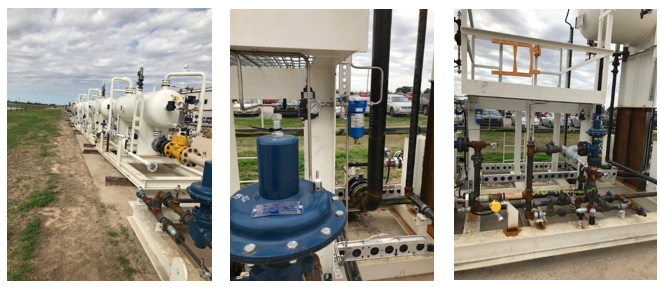
The Importance of Proper Gas Regulation and Pressure Measurement
Gas regulators play a vital role in maintaining consistent pressure levels while compensating for variations in upstream supply and downstream demand. A well-chosen regulator prevents system failures, optimizes performance, and ensures compliance with safety standards. Pressure transducers complement regulators by converting pressure changes into electrical signals, enabling real-time monitoring and automated adjustments. This combination enhances system accuracy and efficiency, particularly in industrial automation and process control applications.
The Role of Pressure-Reducing Regulators for Gas Systems
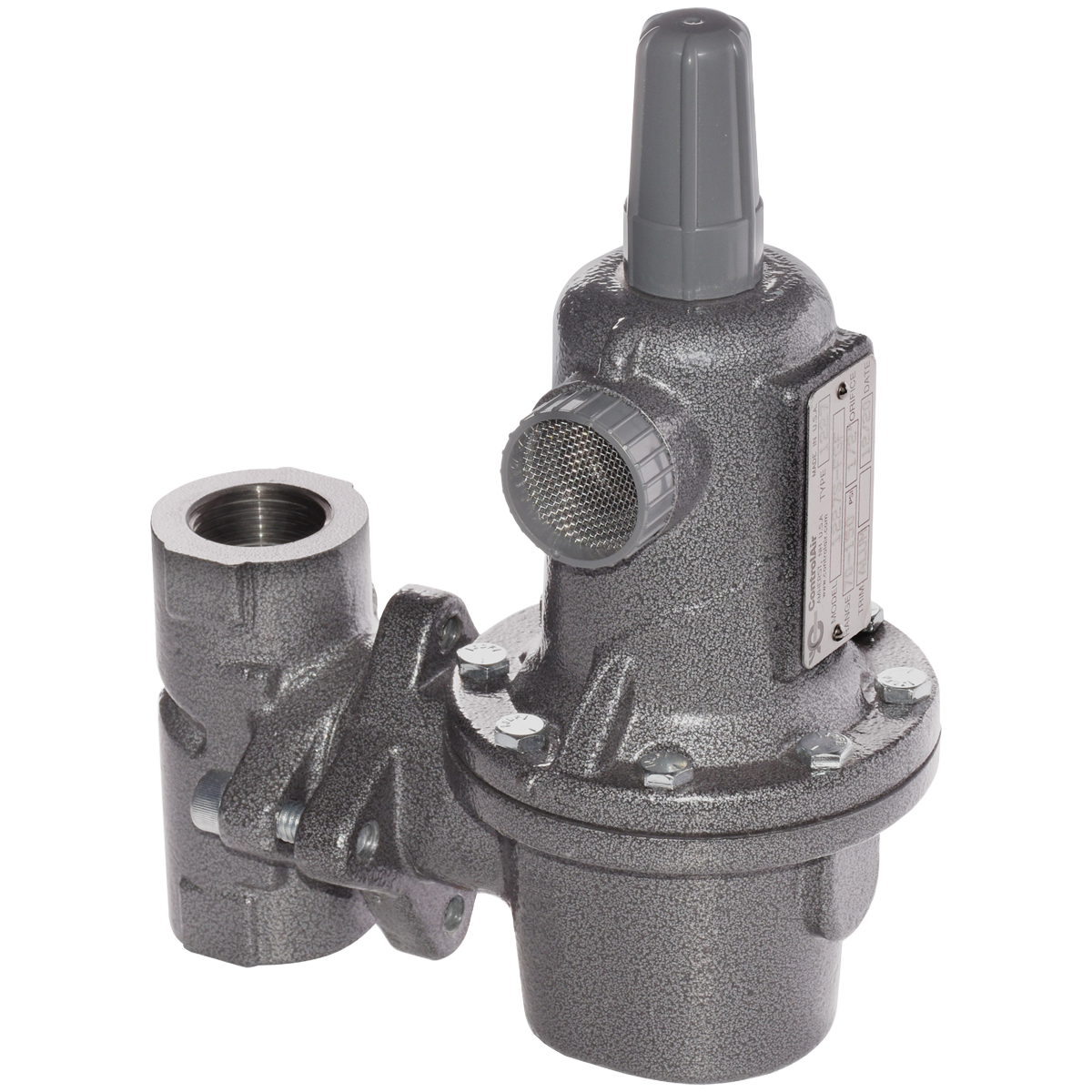
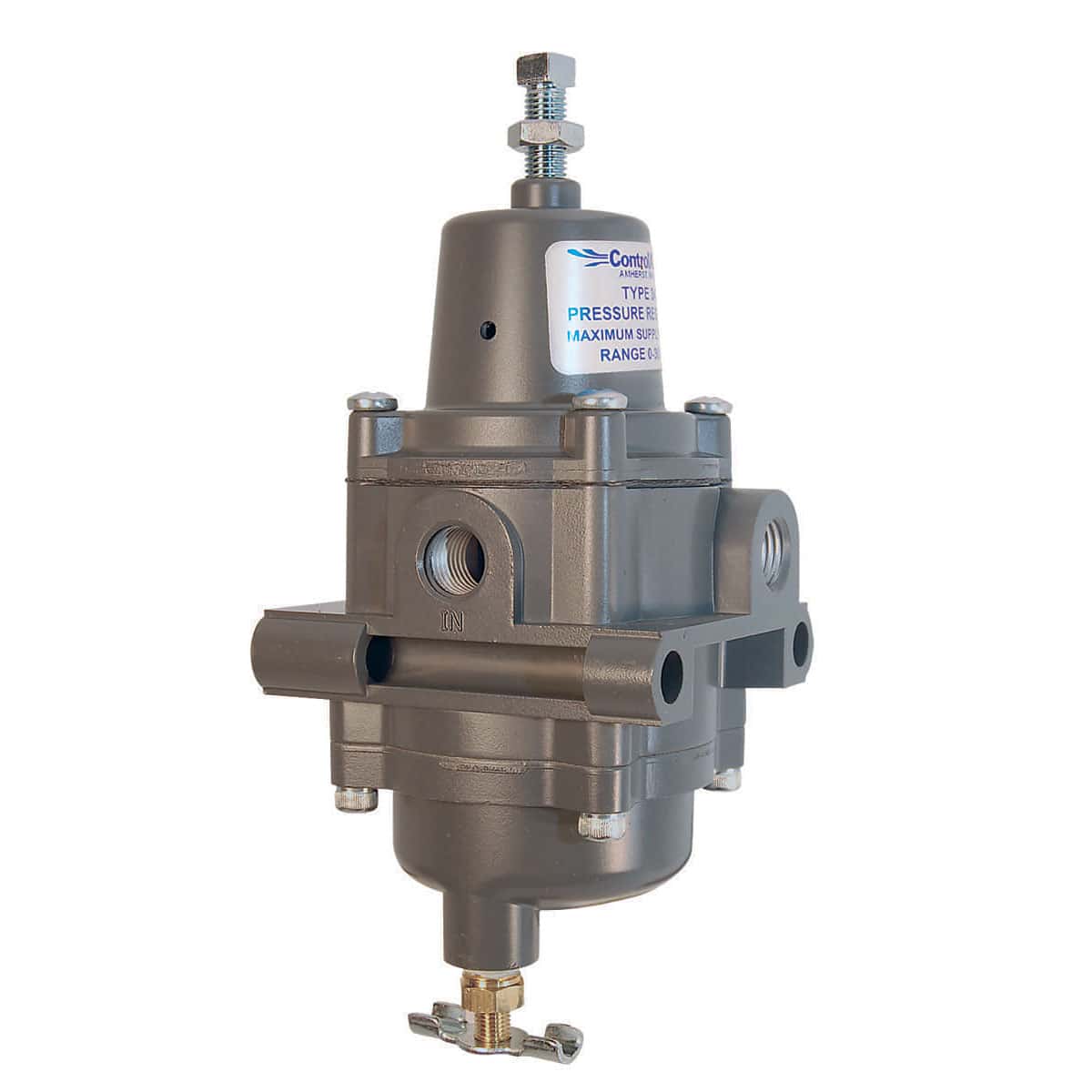
Pressure-reducing regulators are the most commonly used regulators in gas systems. Their primary function is to lower a higher, often variable inlet pressure to a stable, controlled outlet pressure that is safe for downstream equipment. This ensures consistent operation even when supply pressure fluctuates due to tank depletion, upstream surges, or system demand changes.
How They Work
These regulators use a spring-loaded diaphragm mechanism that balances outlet pressure against an adjustable setpoint. When downstream demand increases and pressure drops, the regulator automatically opens to allow more gas flow. Conversely, when demand decreases, the regulator closes to prevent over-pressurization. This self-adjusting behavior is crucial for maintaining stable conditions in sensitive or precision-driven processes.
Key Applications
Engineering Considerations
When selecting a pressure-reducing regulator, engineers should evaluate:
ControlAir Solutions
By using the right pressure-reducing regulator, engineers can maximize system reliability, protect sensitive equipment, and meet compliance standards while keeping long-term operating costs low.
The Role of Pressure Transducers in Gas Systems
Pressure transducers are critical components for monitoring, controlling, and automating gas systems. While regulators physically adjust and stabilize pressure, transducers provide the real-time feedback loop that allows engineers and automated systems to maintain precise control under varying conditions.
How They Work
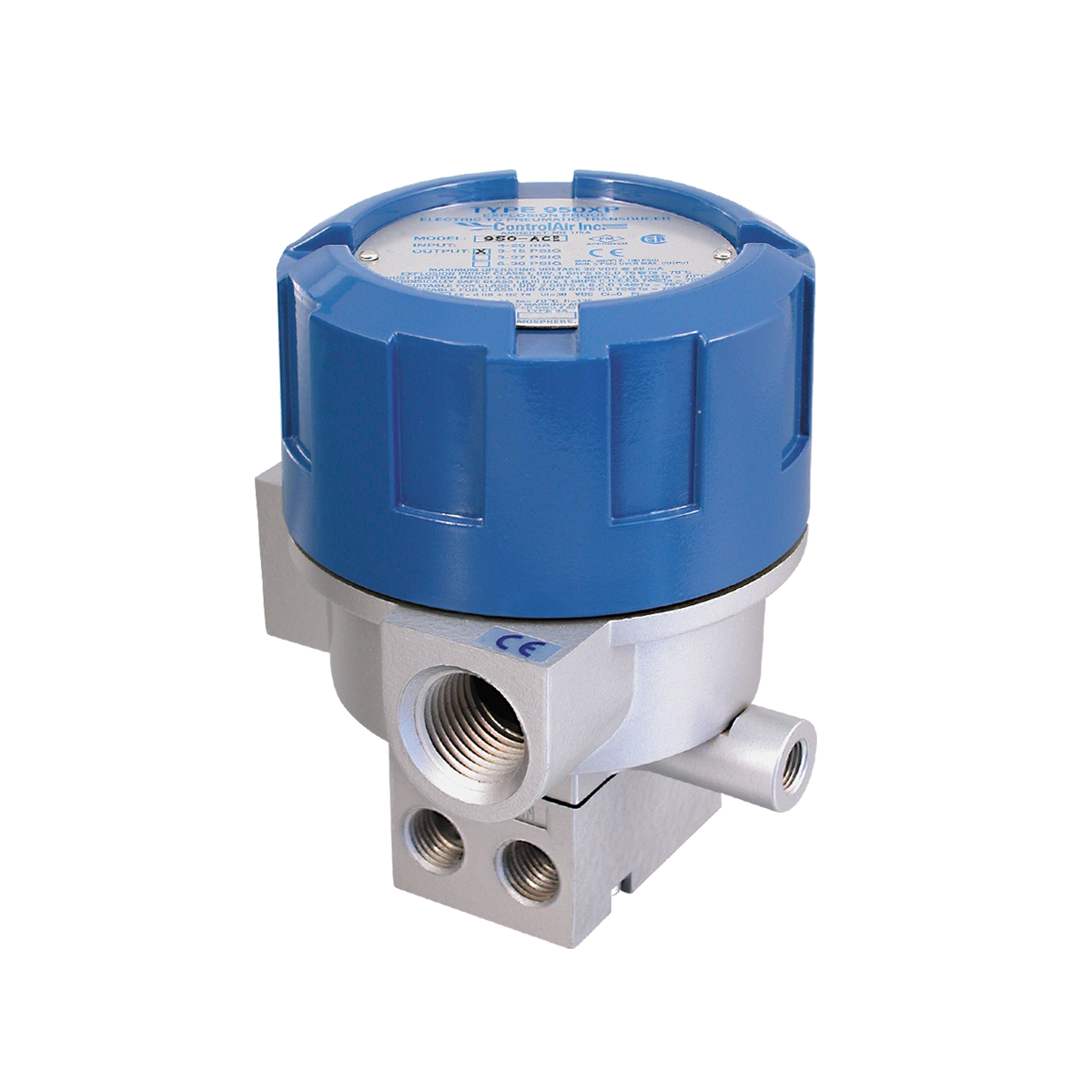
A pressure transducer converts mechanical pressure into an electrical signal, usually in the form of a voltage or current output. This enables integration with process control systems, PLCs (programmable logic controllers), and data acquisition systems. By providing accurate, continuous readings of system pressure, transducers allow:
Key Applications
Engineering Considerations
When selecting a pressure transducer, engineers should evaluate:
ControlAir Solutions
By integrating pressure transducers with regulators, engineers can create smart, responsive gas systems that not only stabilize pressure but also adapt in real time to changes in demand and environment. This combination ensures maximum safety, efficiency, and compliance in industries where precision is critical.
Selecting the Right Connectors and Fittings
In addition to regulators and pressure transducers, reliable connectors and fittings are critical to maintaining a leak-free, secure gas system. Engineers must ensure that the connectors are compatible with the materials used in the system, capable of handling the required pressures, and durable enough to withstand environmental factors like temperature fluctuations and exposure to corrosive substances.
Engineering for Efficiency and Compliance
Selecting the right regulators, pressure transducers, and connectors isn’t just about ensuring operational efficiency—it’s also about meeting long-term reliability and regulatory compliance. For industrial applications such as gas distribution, combustion control, and inert gas handling, components must minimize fugitive emissions while providing stable performance.
ControlAir’s product line is designed with low-emission compliance in mind, helping engineers meet operational goals while adhering to stringent environmental standards. For instance, the Type CG330/CG340 Series is specifically built for low-emission applications, offering precise control while minimizing atmospheric leakage. The integration of pressure transducers like the Type 950XP enhances system responsiveness and ensures pressure stability in critical environments.
Final Considerations
When designing, installing, or upgrading a gas system, it’s essential to evaluate your pressure control needs, the environmental conditions, and any relevant compliance requirements. The right choice of regulators, pressure transducers, and connectors will not only help maintain system efficiency but will also ensure safe, leak-free operation over the long term.
By selecting high-quality components from ControlAir, you can enhance system performance, reduce maintenance costs, and comply with industry regulations. Whether you are working with gas distribution systems, combustion control, or specialized analytical applications, ControlAir offers solutions that optimize safety, efficiency, and reliability.
For assistance in selecting the ideal components for your application, explore ControlAir’s full range of precision gas regulators, and pressure transducers, connectors, and fittings. Our team is here to help you find the best solutions for your engineering challenges and to ensure that your gas system operates seamlessly.