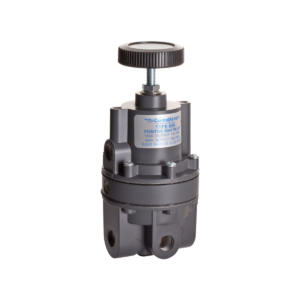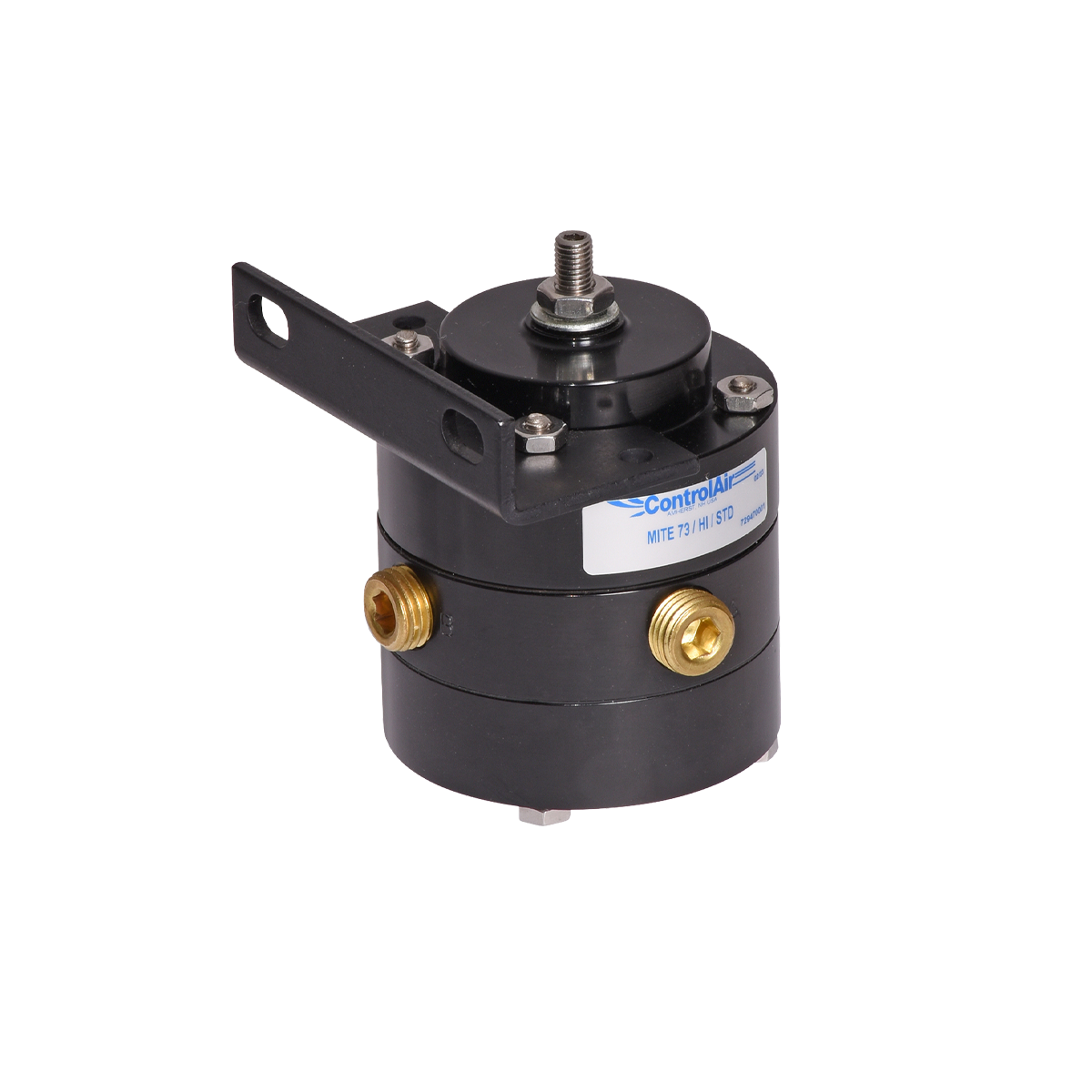

Description
Overview
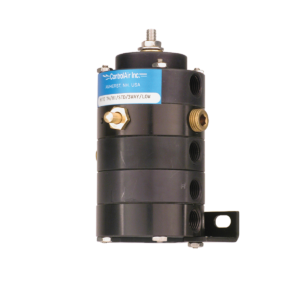
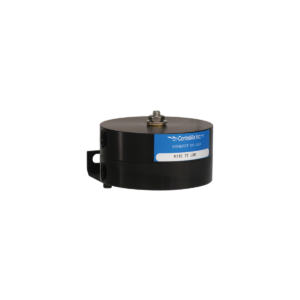
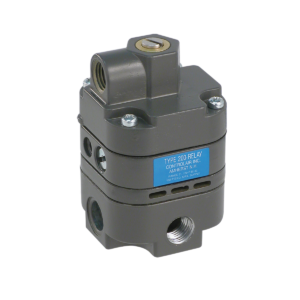
The ControlAir Mite 73 Air Relay is a compact, snap-acting pneumatic signal monitor designed to respond immediately when an increasing or decreasing air or gas signal reaches the selected trip point. Similar in basic function to the Mite 70, the Mite 73 adds a sensitive line-monitoring diaphragm, support for up to four pneumatic inputs, and pneumatic reset capability for fully automated operation.
When tripped, the Mite 73 vents one output port to atmosphere while locking pressure in a second output line. It can also be tripped remotely and reset pneumatically, making it suitable for automated shutdown, alarm, interlock, and valve-control systems that do not require manual intervention.
Its passive pneumatic design, rugged construction, compact size, and crisp repeatability make the Mite 73 well suited for critical process-control applications in petroleum, chemical, gas-field, pharmaceutical, and other industrial environments.
Key Features
- Snap-acting pneumatic air-signal monitor
- Trips on either an increasing or decreasing pneumatic signal
- Accepts up to four pneumatic inputs
- Sensitive line-monitoring diaphragm
- Vents one output port when tripped
- Locks pressure in a second output line when tripped
- Remote pneumatic trip capability
- Pneumatic reset for fully automated control
- Crisp and repeatable switching action
- Compact design for high-density installations
- Passive pneumatic operation requires no electrical power
- Suitable for air or compatible gas service
- 100 psig maximum pressure rating
- Broad operating temperature range
- Rugged aluminum construction
- Designed for safety, emergency, and process-interlock applications
Performance Characteristics
- Trip Function: Increasing or decreasing pneumatic signal
- Maximum Number of Inputs: Four
- Maximum Pressure Rating: 100 psig (7 bar)
- Operating Temperature Range: -40°F to 180°F (-40°C to 82°C)
- Port Connections: Tapped for 1/4″ NPT with 1/8″ internal ports
- Approximate Dimensions: 2.5″ diameter × 4.25″ high
- Body Material: Aluminum
- Other Materials: Plated steel, neoprene, brass, and stainless steel
- Reset Method: Pneumatic reset
- Remote Trip: Pneumatic remote-trip connection
- Output Action: One output locks pressure while the other vents when tripped
- Operating Medium: Air or compatible gas
During normal operation, the Mite 73 monitors the connected pneumatic signals through its sensitive diaphragm. When an increasing or decreasing signal crosses the selected trip point, the snap-acting mechanism changes state. One output traps the existing downstream pressure, while the other opens to atmosphere. A remote pneumatic signal can initiate a trip, and a separate pneumatic reset signal can restore the relay for fully automated operation.
How to Select the Right Configuration
Selecting the correct Mite 73 configuration depends on the expected signal-pressure range, required trip direction, reset-button arrangement, number of monitored signals, and remote trip or reset requirements.
- Select an increasing-signal configuration when the relay must trip as pressure rises to the set point.
- Select a decreasing-signal configuration when the relay must trip as pressure falls to the set point.
- Select the high-signal configuration for monitored signal pressures above 50 psig.
- Select the low-signal configuration for monitored signal pressures below 50 psig.
- Select the standard reset arrangement for typical installations.
- Select the long reset arrangement when extended reach or panel accessibility is required.
- Use the remote pneumatic trip connection when the relay must be activated from another control point.
- Use the pneumatic reset connection when automatic restoration is required after the monitored condition returns to normal.
- Use multiple input ports when the relay must respond to several pneumatic signals.
- Confirm that system pressure does not exceed the 100 psig maximum pressure rating.
- Verify that the lock-up and vent outputs are connected to the correct downstream functions.
For additional guidance:
Applications
The Mite 73 is used in pneumatic systems that require automated switching, pressure lock-up, venting, alarm activation, or shutdown based on one or more monitored pressure signals.
- Automated pneumatic shutdown systems
- High-pressure and low-pressure alarms
- Gas-line pressure monitoring
- Emergency valve actuation
- Valve lock-up during abnormal process conditions
- Remote pneumatic trip systems
- Automatic pneumatic reset systems
- Multi-signal process interlocks
- Oil and gas process controls
- Petroleum processing systems
- Chemical processing equipment
- Gas-field safety systems
- Pharmaceutical process controls
- Fail-safe pneumatic logic
Explore more applications:
Models & Configurations
Base Model
- Mite 73 = Snap-acting pneumatic signal monitor with up to four inputs, lock-up output, vent output, remote pneumatic trip, and pneumatic reset
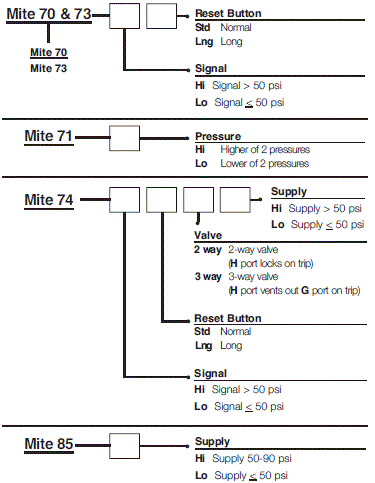
Reset Configurations
- Standard Reset = Normal reset-stem length
- Long Reset = Extended reset stem for panel or recessed installations
Signal Configurations
- High Signal = For signal pressures above 50 psig
- Low Signal = For signal pressures below 50 psig
Trip Direction
- Increasing Signal = Trips when the monitored pressure rises to the selected set point
- Decreasing Signal = Trips when the monitored pressure falls to the selected set point
Pneumatic Connections
- A = Variable instrument-air signal
- B = Signal output that locks pressure when tripped
- C = Signal output that vents when tripped
- D = Remote pneumatic trip
- E = Remote pneumatic reset
- F = Pneumatic signal that nullifies the reset input
Use the ordering diagram in the current Mite Series specification sheet or contact ControlAir to confirm the complete ordering code for the required reset, signal-range, and trip-direction configuration.
Technical Resources
- Product Data Sheet
- Installation Instructions
- Product Configurator
- 3D CAD Models
- Engineering Support Resources
FAQs
What does the Mite 73 air relay do?
The Mite 73 monitors one or more pneumatic signals and switches when the selected trip point is reached. It locks pressure in one output line and vents a second output to atmosphere.
How many inputs can the Mite 73 accept?
The Mite 73 can accept up to four pneumatic inputs.
Can the Mite 73 trip on either rising or falling pressure?
Yes. It can be configured to trip on either an increasing or decreasing pneumatic signal.
Can the relay be tripped remotely?
Yes. A separate pneumatic connection allows the Mite 73 to be tripped from a remote signal.
Can the Mite 73 reset automatically?
Yes. The relay can be reset pneumatically, allowing fully automated operation without a manual reset.
What happens when the relay trips?
One output locks the existing downstream pressure while the other output vents to atmosphere.
What is the maximum pressure rating?
The maximum pressure rating is 100 psig (7 bar).
What port size does the Mite 73 use?
The relay is tapped for 1/4″ NPT connections with 1/8″ internal ports.
What is the operating temperature range?
The operating temperature range is -40°F to 180°F (-40°C to 82°C).
Does the Mite 73 require electrical power?
No. The Mite 73 is a passive, fully pneumatic relay.
What is the difference between the Mite 70 and Mite 73?
The Mite 70 uses a manual reset and monitors a primary control signal. The Mite 73 accepts up to four inputs and supports pneumatic reset for automated control.