Sign up for the ControlAir newsletter.
Get news, updates, and offers direct to your inbox.
Electronic pressure regulators support pressure-driven flow cytometers by controlling the air pressure used to move sample or sheath fluid through the instrument. Stable, adjustable pressure helps the fluidics system deliver liquid consistently to the flow cell, where cells or particles are measured.
The regulator controls pneumatic pressure rather than directly measuring liquid flow. Its role depends on the cytometer’s fluidics design; not every instrument uses the same pumping, pressure-control, or focusing arrangement.

A flow cytometer measures properties of cells or particles suspended in a liquid. The fluidics system transports the sample through an optical interrogation region, where detectors measure scattered light and, where applicable, fluorescence.
Consistent sample delivery helps particles pass through the measurement region under repeatable conditions.
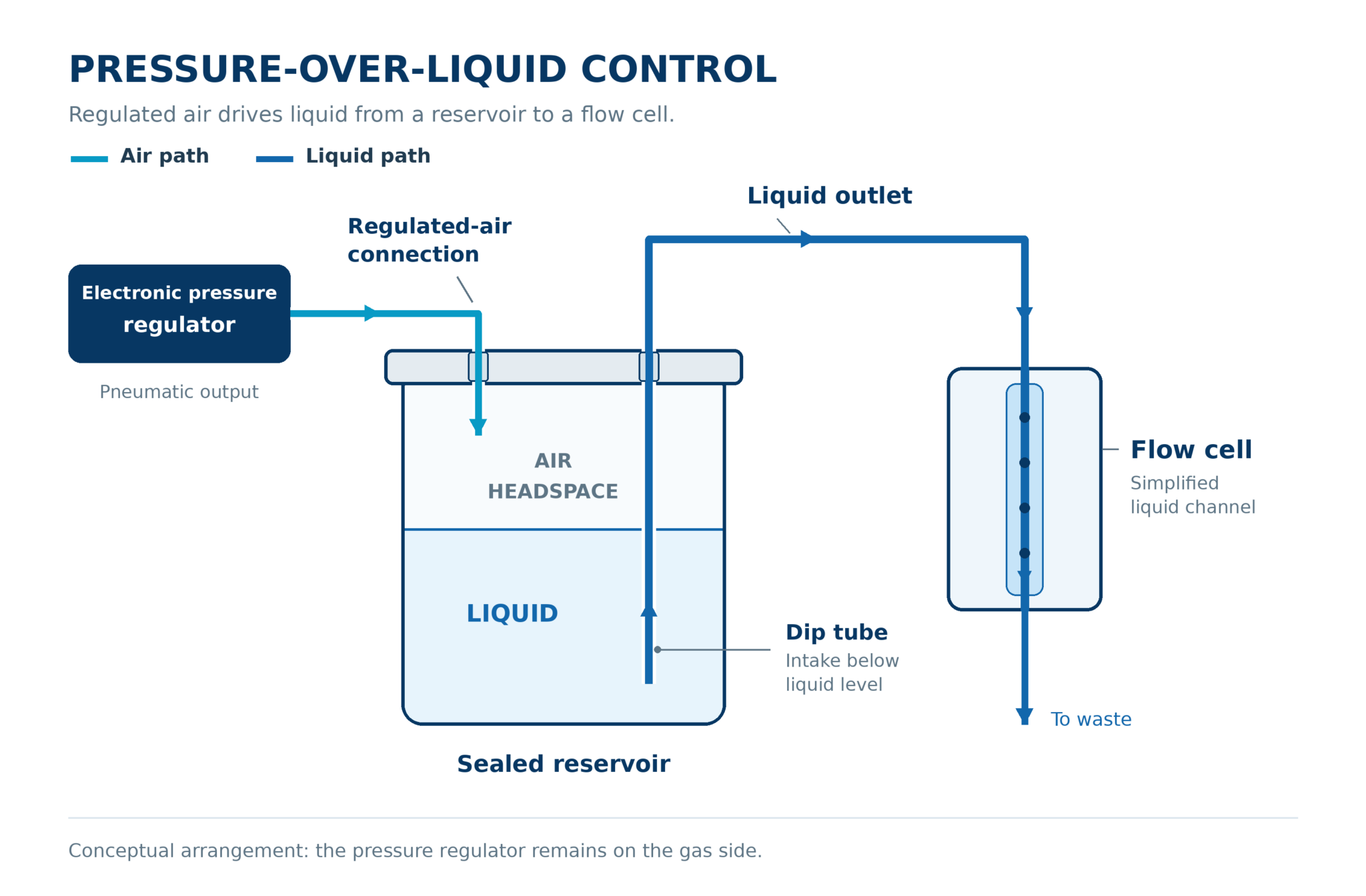
In a pressure-over-liquid arrangement, regulated gas pressure is applied to the headspace above liquid in a sealed reservoir. The pressure difference between the reservoir and downstream fluid path drives liquid through the outlet tubing.
An electronic pressure regulator allows the instrument controller to adjust that driving pressure using an electrical command.
In the illustration below, regulated air enters above the liquid surface. A separate dip tube extends below the liquid level and carries liquid out of the reservoir toward the flow cell. The pneumatic regulator remains on the gas side.
In pressure-driven designs, electronic pressure regulators can support sample delivery, sheath-fluid delivery, and automated changes between pneumatic operating settings.
| Fluidics Function | Role of Pressure Control | Design Consideration |
|---|---|---|
| Sample Delivery | Establishes the driving pressure for sample introduction in pressure-driven designs. | Evaluate sample pressure relative to downstream fluidics conditions. |
| Sheath Fluid Delivery | Supports consistent sheath delivery where the instrument uses a pressurized supply. | Coordinate pressure stability with sample delivery and flow-cell requirements. |
| Automated Pressure Adjustment | Allows the controller to change pneumatic setpoints electronically. | Match command signals, pressure-monitoring needs, and system response. |
In conventional hydrodynamic focusing, sheath fluid surrounds the sample stream and helps guide it through the flow cell’s measurement region.
In pressure-driven systems, the relationship between sample and sheath pressure influences sample delivery and the width of the sample core. Changing sample pressure can therefore affect both acquisition rate and measurement conditions.
Stable pneumatic pressure supports this process, but focusing also depends on fluid-path geometry and operating settings. Pressure regulation alone does not guarantee measurement accuracy.
No. Liquid flow depends on the driving pressure and the resistance of the complete fluid path. Changes in tubing restrictions, filters, or other fluidic conditions can alter flow even when regulated pressure remains steady.
A pressure-feedback regulator measures and corrects pneumatic pressure. Direct closed-loop liquid-flow control requires suitable flow measurement and system-level control.
Start with the instrument’s actual pressure requirements rather than selecting by maximum pressure or nominal accuracy alone.
Reservoirs, tubing, seals, and other liquid-contact components must also be compatible with the sample or sheath fluid. Verify the selected arrangement in the complete fluidics system, including normal operation and transitions between operating states.
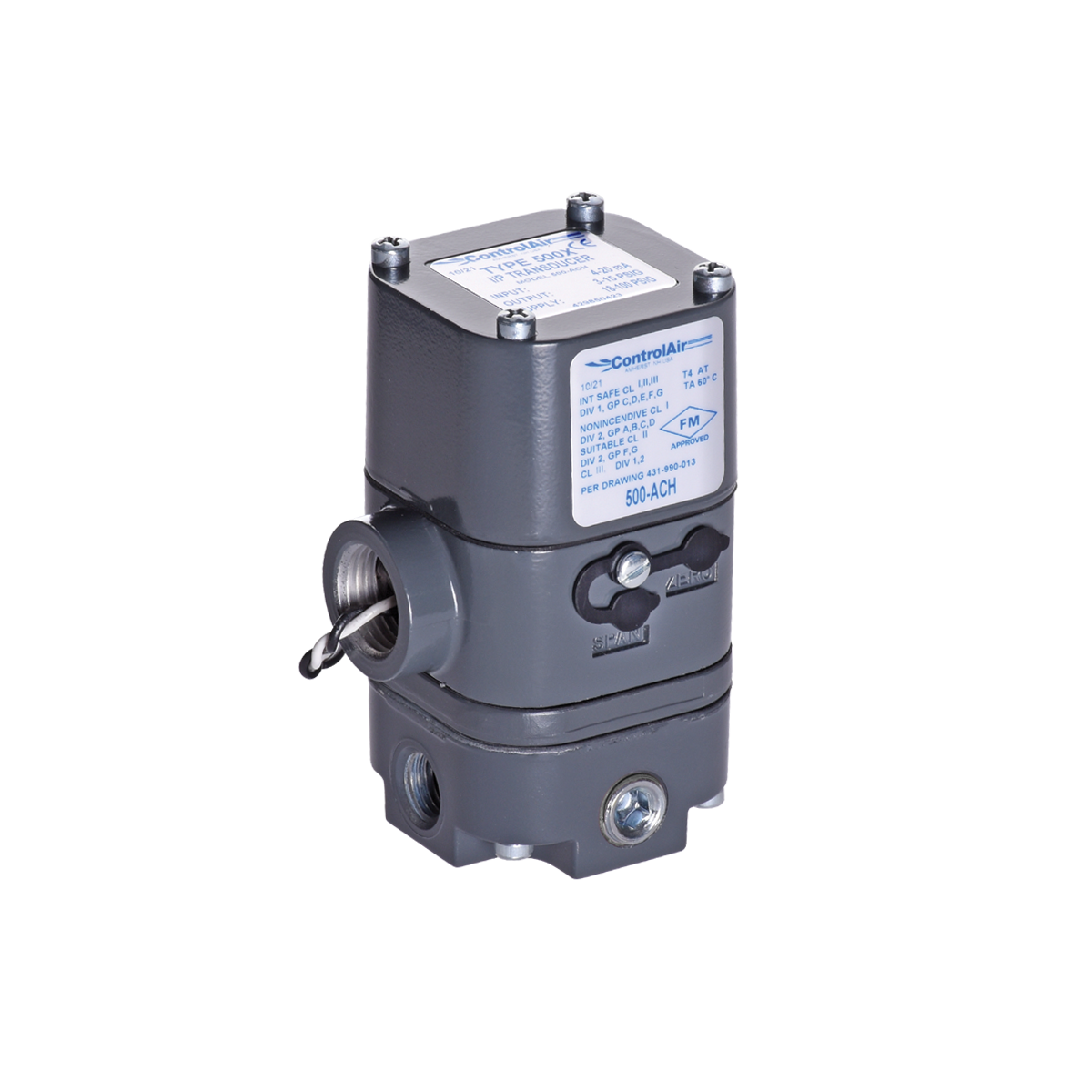
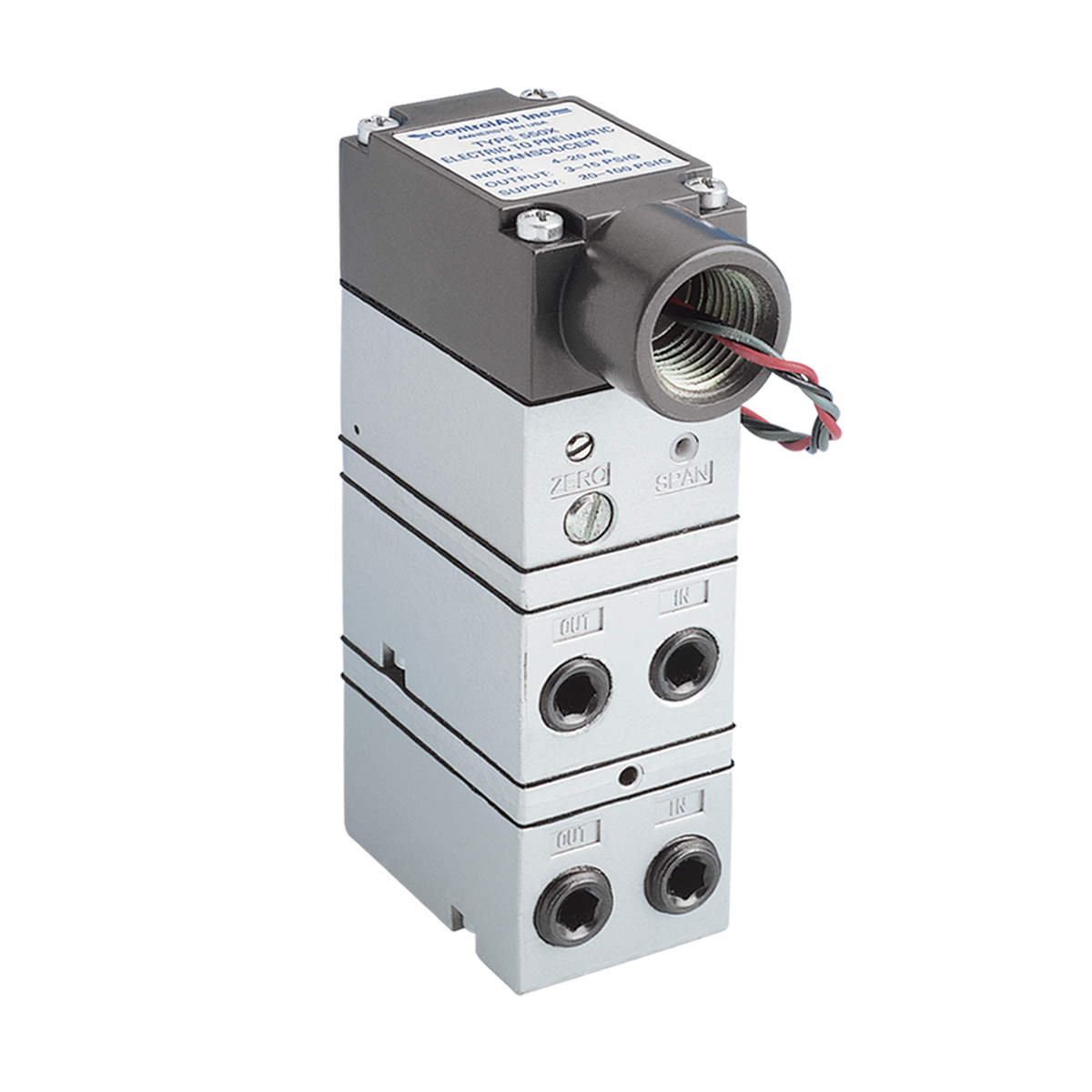
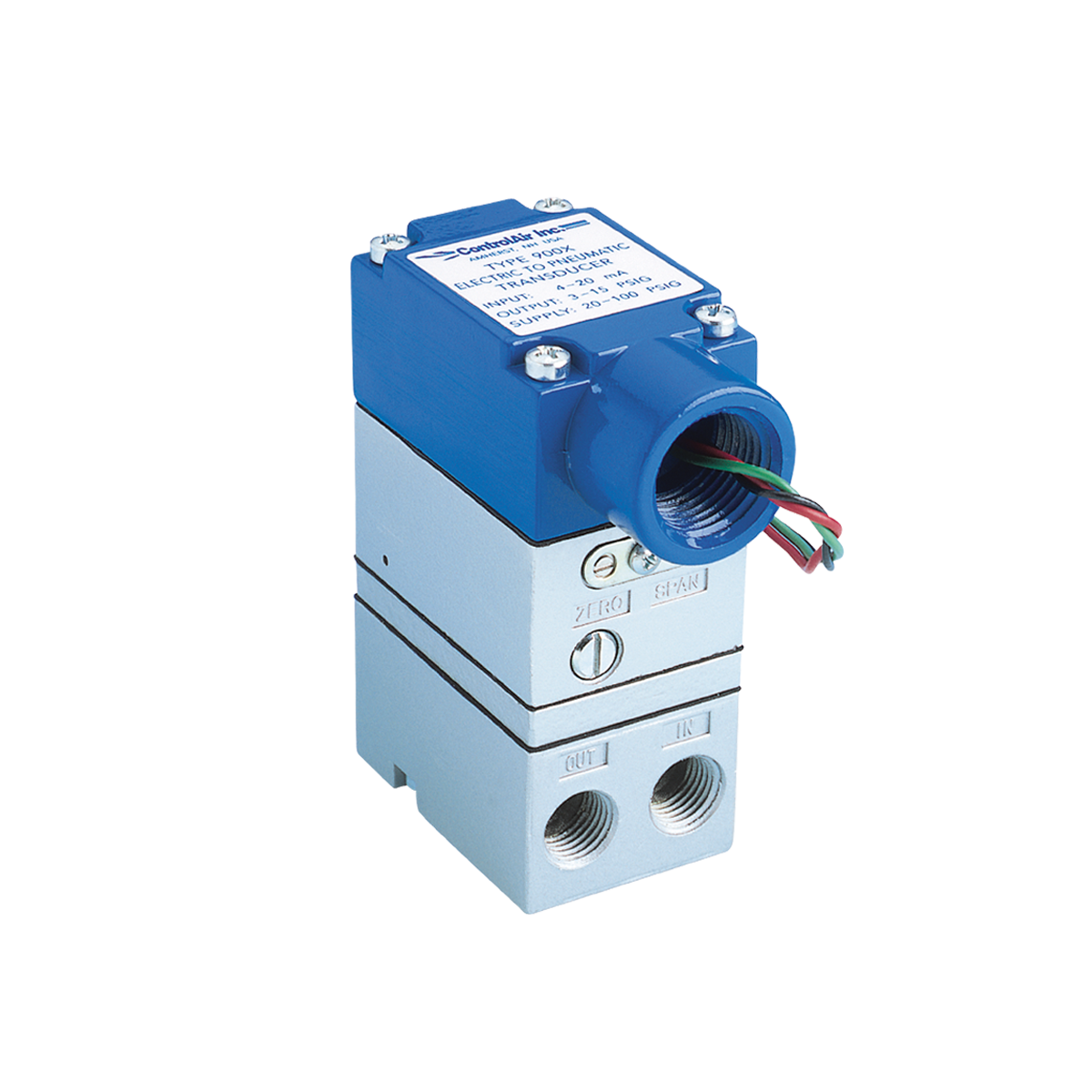
The following products offer different capabilities for OEM evaluation:
The appropriate choice depends on the instrument’s pressure range, pneumatic flow demand, response requirements, and integration needs. Confirm the product configuration for the specific application.
Explore ControlAir electronic pressure regulators or contact [email protected] with your cytometer fluidics requirements.